
Protecting Your Pet's Dental Health
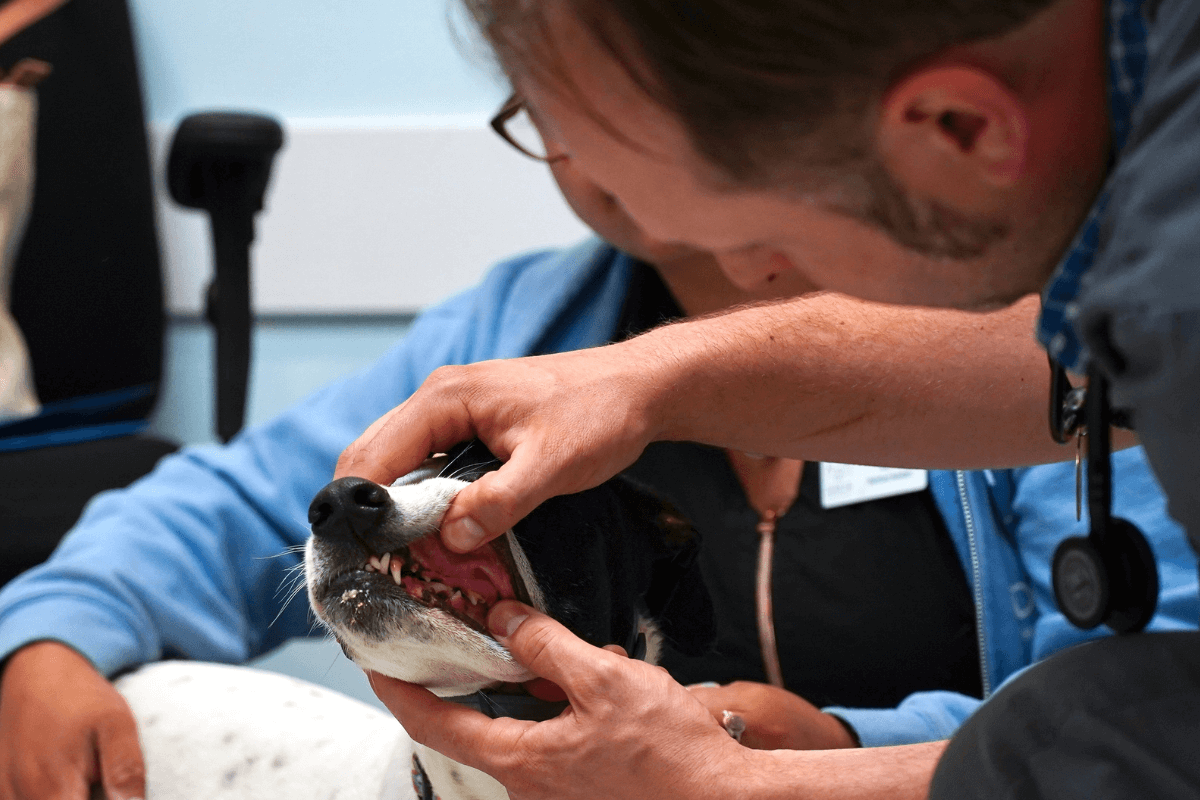
February is recognized as National Pet Dental Health Month, a designation supported by the American Veterinary Medical Association (AVMA) and other veterinary organizations—and for good reason. Dental health is a important part of your pet’s overall well-being. Problems affecting the teeth and gums don’t just cause discomfort in the mouth; they can also contribute to, or stem from, more serious health issues throughout the body.
According to the AVMA, by the age of three, an estimated 80% of dogs and 70% of cats show signs of dental disease. Left untreated, dental disease can lead to significant pain, tooth loss, gum deterioration, and even loss of bone in the jaw—sometimes resulting in fractures, particularly in small dogs. Bacteria from an unhealthy mouth can also enter the bloodstream, potentially affecting vital organs such as the heart, liver, and kidneys.
"Clients are frequently surprised when teeth need to be extracted as pets will hide their discomfort," said Dr. Jack Muth, Dakin’s Public Medical and Education Director. "We perform in-depth oral exams under anesthesia with dental x-rays to find hidden problems. I do not recommend relying on overt clinical signs alone, but there can be some indicators of dental disease." Dr. Muth recommends watching for:
-
Bad breath
-
Broken or loose teeth
-
Visible tartar buildup or tooth discoloration
-
Drooling
-
Dropping food
-
Pawing or rubbing at the mouth
-
Bleeding from the mouth or gums
-
Reluctance to eat or chew on toys
-
Changes in behavior that suggest mouth pain or sensitivity
Beyond these visible signs, pets may be dealing with underlying dental conditions such as:
-
Periodontal disease (gingivitis, plaque, and tartar buildup)
-
Fractured teeth
-
Infected teeth or tooth root abscesses
-
Oral masses (benign or malignant)
-
Malocclusion (misaligned teeth)
-
Retained deciduous (baby) teeth
-
Tooth resorption (most common in cats and often very painful)
-
Stomatitis (also common in cats and a severe inflammatory condition)
Just as people rely on routine dental care to prevent pain and long-term problems, pets also need regular dental exams and treatment from their veterinarian. Dental evaluations should take place at least once a year. Because much of dental disease occurs below the gum line, a thorough exam is performed while your pet is under anesthesia.
During a dental procedure, your veterinarian will check for gum pockets and may take dental radiographs (digital X-rays) to evaluate the teeth and bone beneath the gum line. Treatment may include a deep cleaning and polishing, along with the extraction of any diseased or damaged teeth if needed.
Preventive care at home is equally important. Make it a habit to check your pet’s mouth regularly, paying close attention to the back teeth. Brushing your pet’s teeth is one of the most effective ways to prevent dental disease—daily brushing is ideal, but even a few times a week can make a difference. Always use pet-specific toothbrushes or finger brushes and pet toothpaste, as human toothpaste may contain ingredients that are unsafe for pets to swallow.
When choosing dental products, look for those approved by the Veterinary Oral Health Council (VOHC) to ensure they meet proven standards for oral health.
By making dental care a priority, you’re helping your pet stay comfortable, healthy, and pain-free for years to come. Regular veterinary checkups and simple at-home care can catch problems early and keep your pet’s smile—and overall health—strong.
Thanks to Dr. Jack Muth, Dakin’s Public Medical and Education Director, for his assistance with this blog.