
Caring for Your Aging Dog or Cat: A Guide for Pet Owners
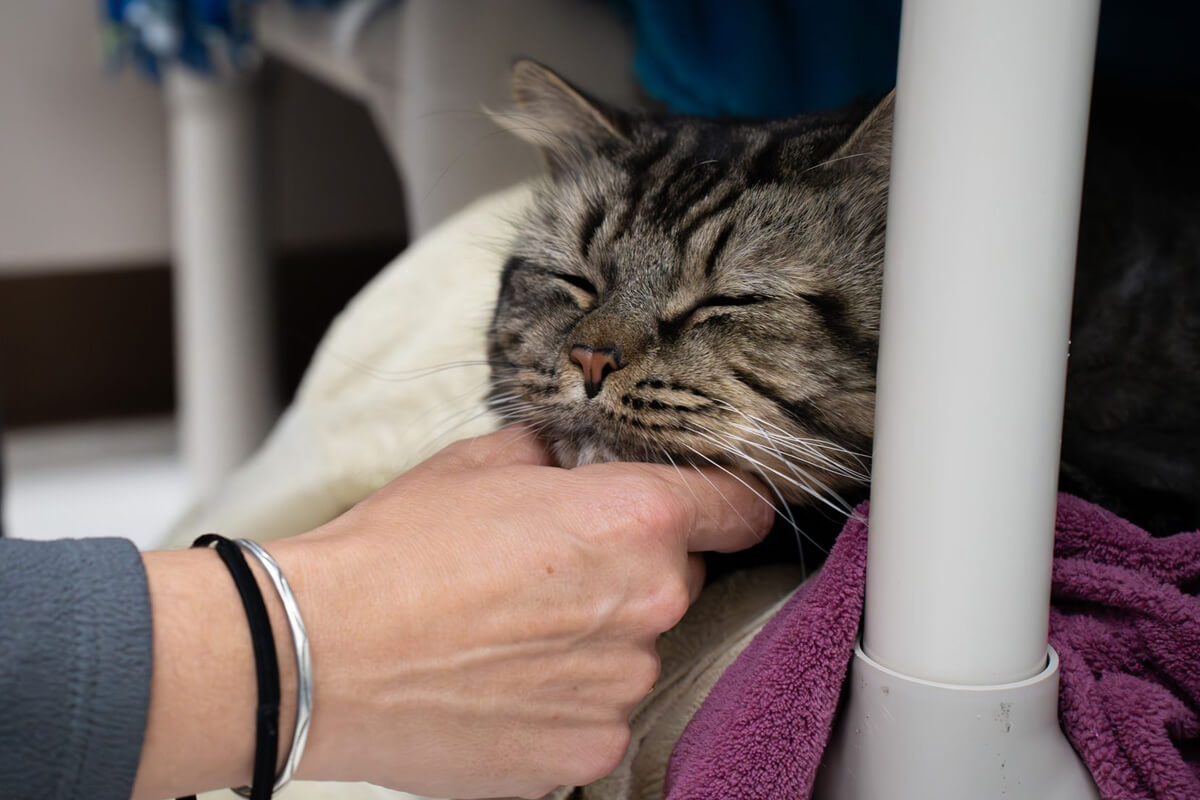
As our pets grow older, their needs and health can change dramatically. Just like humans, senior dogs and cats benefit from regular check ups, proper nutrition, and attentive care. Understanding what to do, what signs to watch for, and the right questions to ask your veterinarian can help your furry friends enjoy their golden years to the fullest.
As pets age, their bodies begin to slow down, and subtle changes can occur both physically and behaviorally. You might notice your dog taking a little longer to get up after a nap or your cat preferring cozy resting spots over active play. These shifts are natural but can also signal underlying health issues like arthritis, dental disease, or metabolic changes. Regular veterinary visits become even more important during this stage of life, as early detection of age-related conditions can make a huge difference in comfort and quality of life. Simple adjustments such as modifying their diet, adding joint supplements, or providing softer bedding, can help keep them active and content.
Caring for a senior pet is about more than managing health, it is also about honoring their lifelong companionship with patience and compassion. Older animals may require extra time, gentler handling, and a slower pace. They might not see or hear as well as they used to, but they thrive on familiar voices, consistent routines, and affection. With mindful attention, you can make your home and daily interactions more supportive, whether that means offering extra bathroom breaks, keeping food and water within easy reach, or creating calm, quiet spaces to rest. In return, senior pets often give back an even deeper bond, filled with gratitude, trust, and unconditional love.
What to Do for Your Aging Pet
- Schedule Regular Veterinary Exams
Senior pets need more frequent check-ups. Annual wellness exams, including blood and urine tests, help detect diseases like kidney or liver problems early. - Adjust Diet and Nutrition
Aging pets often need diets formulated for joint health, weight management, or organ support. Supplements like omega-3 fatty acids or glucosamine can help support mobility and overall wellness. - Maintain Exercise and Mental Stimulation
Gentle, consistent exercise keeps muscles strong and joints flexible. Mental enrichment such as puzzle toys, short training sessions, or scent games—helps prevent cognitive decline. - Prioritize Dental Care
Dental disease is common in older pets. Regular teeth brushing and professional cleanings can prevent pain, infection, and systemic health issues. - Create a Comfortable Environment
Orthopedic beds, ramps or stairs, non-slip surfaces, and easy access to food, water, and litter boxes make daily life easier for aging pets. - Monitor Mental and Emotional Health
Older pets can experience anxiety or confusion. Maintaining routines, offering gentle attention, and providing enrichment activities helps keep them happy and calm.
What to Watch For as Pets Age
- Behavioral Changes: Increased irritability, anxiety, confusion, or disrupted sleep.
- Mobility Issues: Stiffness, limping, reluctance to jump, or difficulty climbing stairs.
- Weight and Appetite Changes: Unexplained weight loss or gain, changes in food or water intake.
- Elimination Changes: Accidents indoors, increased urination, or litter box avoidance.
- Signs of Pain or Discomfort: Vocalizing, sensitivity to touch, changes in posture, or reluctance to move.
- Vision or Hearing Changes: Bumping into objects, not responding to commands, or appearing disoriented.
- Change of Hair Color: Just as humans, Pets start to show a little gray on their fur as they start to age.
Questions to Ask Your Veterinarian
- Which wellness screenings are recommended for my pet’s age and breed?
- Are there specific diets or supplements that could benefit my pet?
- How can we manage joint health or arthritis effectively?
- What signs of cognitive decline should I monitor at home?
- How can I detect pain early in my pet?
- Which behavior or appetite changes are normal, and which are concerning?
- How should I safely adjust my pet’s exercise routine?
- Are preventative measures needed for heart, kidney, or liver disease?
- How often should my pet have dental cleanings or oral care?
- What are early signs of common senior diseases I should be aware of?
Final Tip
Consider keeping a “Senior Pet Health Journal” to track weight, appetite, mobility, behavior, and other changes. Bring this to every veterinary visit to provide your veterinarian with a clear picture of your pet’s health over time.
With regular care, attention, and love, your senior pet can enjoy a happy, healthy, and comfortable life well into their golden years.
Merrica Modeste
Pet Health Center Manager
Dakin Humane Society